A concise, accessible, & foundational knowledge introduction to climate change.
Climate Rabbit is a resource hub & educational tool for those who want to learn more about climate change and its impacts.
Our learning framework consists of 10 chapters, with each chapter consisting of a simple introduction to the topic alongside links to the latest articles, research, and help to help you inform a deeper understanding of each.
This educational endeavor is an ongoing, so please be patient with us as we work on this website and finalize the available chapters!

Our focus
Whether you are a homeowner concerned with how climate change will impact your insurance rates, a high school student working on a class report, or an elderly person concerned about future generations, this resource is for you.
There are countless organizations working on climate change, with rather significant overlap, which can make approaching the topic intimidating. Here at Climate Rabbit, we have consolidated some of the most important aspects to provide those interested with a jumping off point. We focus on news articles, prominent climate-focused organizations, and climate science as foundations.
Climate change is happening.
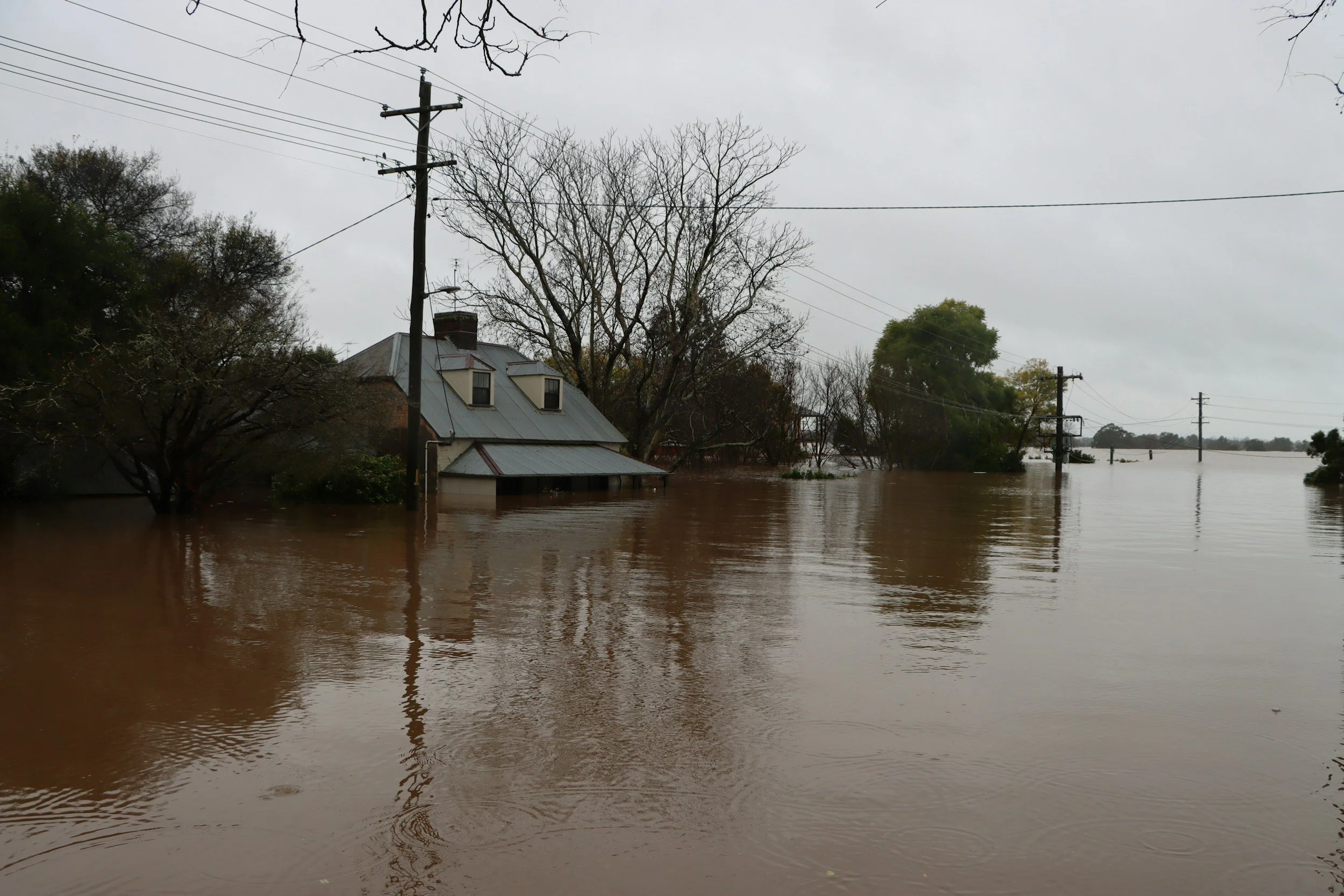
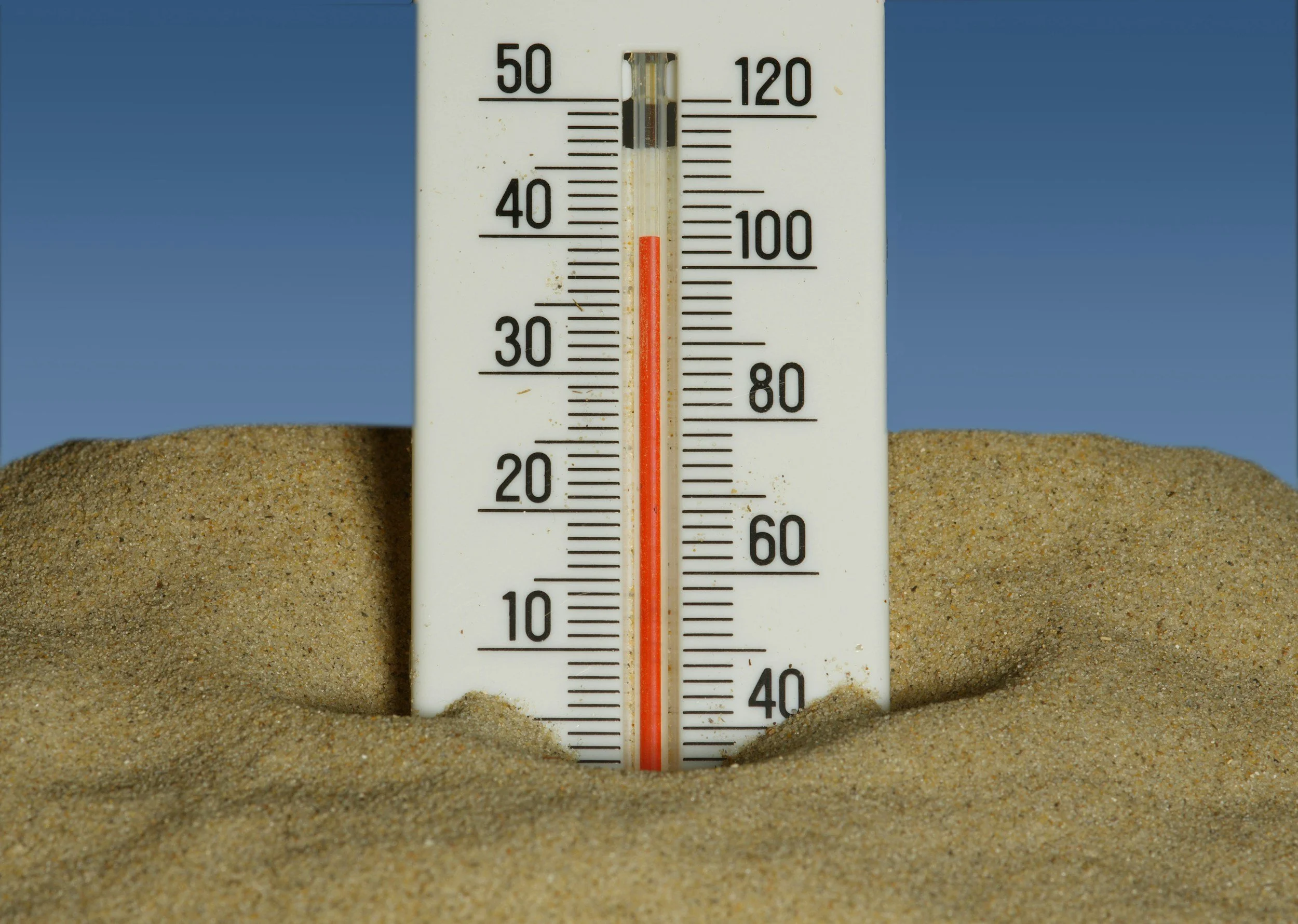
Though an incredibly complex issue, climate change is primarily occurring due to the addition of greenhouse gases to the atmosphere caused by human activities. These gases trap heat within the planetary system that would have otherwise escaped into space. There are a few different greenhouse gases that trap heat that we as humans emit. The main culprit of climate change is carbon dioxide (CO2), which is produced from the burning of fossil fuels. Carbon dioxide is also more of an issue, than say methane (MH4), because it stays in the atmosphere for a longer period of time. Methane has an atmospheric lifetime of roughly 12 years while carbon dioxide can remain in the atmosphere anywhere from 300 to 1,000 years [NASA.gov, 2024]. With this additionally trapped heat, we are seeing increasingly severe changes to weather patterns, such as droughts, floods, heat waves, and much more.
Mauna Loa CO2 Monthly Mean (ppm)
All Available Chapters
-
![]()
0. Introduction & Guide
-
![]()
1. Climate Impacts on Homes, Mortgages, & Home Insurance
-
![]()
2. Climate Impacts on Public Health
-
![]()
3. Climate Impacts on the Economy
-
![]()
4. Climate Impacts on the Environment
-
![]()
5. Other Climate Impacts on Individuals
-
![]()
6. The Science of Climate Change
-
![]()
7. Impacts of the Trump Administration on Climate Change
-
![]()
8. Preparation, Tools, & Help
-
![]()
9. Hopeful News on Climate Change
-
![]()
10. Conclusion & Further Learning